top of page
göz kapağı estetiği

Eyelid Surgery (Blepharoplasty)

Eyelid surgery (blepharoplasty) is the surgical correction of excess skin, sagging and bags in the upper and lower eyelids. With age, skin builds up on the upper eyelid, and fat pushes forward in the lower eyelid, creating bags. These changes give the face a tired, older look; in advanced cases, excess skin on the upper eyelid can also narrow the field of vision.

In short: Eyelid surgery (blepharoplasty) corrects excess skin on the upper eyelids and bags under the lower eyelids. It is usually performed under local anesthesia or sedation, and most people go home the same day. The stitches are removed at the end of the first week, and most people return to daily life within 1–2 weeks. The final result becomes clear in 3–6 months.

Who Is a Good Candidate for Eyelid Surgery?

Eyelid surgery (blepharoplasty) is a surgical procedure planned to reduce sagging, bags and appearance-related concerns in the upper and/or lower eyelids.

Upper eyelid surgery may be suitable for people with:

  • Sagging of the upper eyelid, with the lid falling over the eye

  • Excess tissue that gives the eyes a tired look

  • Excess skin, or skin and muscle that sag more noticeably over time

  • Aesthetic concerns that sometimes keep you from feeling good in your social or work life

Lower eyelid surgery may be suitable for people with:

  • Bags under the eyes (visible fat)

  • Hollowness under the eyes and the shadows it causes

  • Increased wrinkling and age-related laxity of the lower eyelid

  • A “tired eyes” look under the eyes

  • Complaints related to lower eyelid laxity that affects the position of the eyelid

Conditions That Need Special Attention

  • Signs of eye conditions such as dry eye

  • Drooping of the eyelid edge (ptosis): This is not corrected by blepharoplasty and needs a separate operation.

  • Previous eyelid surgery

  • Unrealistic expectations

  • Heavy smoking

  • Medications or conditions that increase bleeding

  • Chronic diseases that may prevent surgery need careful evaluation.

​If your general health is not suitable, blepharoplasty may not be performed or may be postponed.

How Is Upper Eyelid Surgery Performed?

The surgical plan is tailored to your needs.

The procedure is performed under local anesthesia or sedation. (General anesthesia can also be used depending on your condition or preference.)

The steps of the surgery:
➣ An incision is made along the natural crease of the upper eyelid.
➣ Excess skin is removed.
➣ Excess fat is removed, if present.
➣ The remaining tissues are repositioned to keep a natural look.

  • A hospital stay is generally not needed.

  • At the end of surgery, a dressing is placed on the eyelid without blocking your vision.

  • Upper eyelid surgery can be combined with lower eyelid surgery and other facial procedures.

göz kapağı estetiği kocaeli
alt göz kapağı estetiği

How Is Lower Eyelid Surgery Performed?

The surgical plan is tailored to your needs.

The procedure is performed under local anesthesia or sedation. (General anesthesia can also be used depending on your condition or preference.)

The steps of the surgery:
➣ An incision is made either on the inside of the eyelid (transconjunctival) or just below the lash line (subciliary).
➣ The fat is repositioned or, if needed, removed in a controlled way.
➣ Excess skin is removed in a controlled way.
➣ The remaining tissues are repositioned to keep a natural look.
➣ If needed, the midface is lifted.

  • If general anesthesia is used, a hospital stay may be needed.

  • At the end of surgery, a dressing is placed under the eyelid without blocking your vision.

  • Lower eyelid surgery can be combined with upper eyelid surgery and other facial procedures.

Recovery After Eyelid Surgery

After upper and lower eyelid surgery, swelling, bruising and tenderness in the area are normal in the first days. Following our recommendations for cold compresses, medication and aftercare supports healing. The change in appearance becomes clearer over time; as the swelling and bruising fade, the result starts to show.

The first days

  • Swelling and bruising may be at their most noticeable.

  • You may feel burning or fullness around the eyes.

  • Mild pain may occur and can be controlled with simple painkillers.

  • Cold compresses and keeping your head raised help reduce swelling.

  • You may be sensitive to light; sunglasses can help.

Weeks 1-3

  • Bruising and swelling usually start to fade.

  • You may feel dryness or discomfort around the eyes.

  • The stitches are removed at the end of the first week.

  • Returning to daily life becomes easier.

  • Scar care begins.

  • The scars may be more visible at first; this is normal.

  • Sun protection is important.

Weeks 4–6 and after

  • The scars are expected to fade and the appearance to soften.

  • Tenderness and dryness around the eyes decrease.

  • A more natural facial expression becomes more noticeable.

  • The result becomes more balanced and visible.

Benefits of Eyelid Surgery

A wider field of vision: Skin hanging from the upper eyelid can cover the upper part of your field of vision. When this skin is removed, your vision opens up.

Less eye strain and fewer headaches: The forehead muscles, which constantly contract to lift the sagging skin, relax; tiredness and headaches when reading or looking at a screen decrease.

Less skin irritation: Sweat and secretions trapped between the folds of skin can cause itching and redness. Removing the excess skin solves this problem.

A fresher, younger look: The tired, sleepless expression disappears and your eyes look brighter.

Aftercare Tips After Blepharoplasty

Head elevation: Keeping your pillow high while resting in the first days can reduce swelling.
Protecting your eyes: Do not rub or scratch your eyes, and follow the protective care instructions.
Cold compresses: Applying them as we explain in the first days reduces swelling.
Sun protection: Sun protection is essential for better-looking scars.
Strenuous exercise: Avoid strenuous exercise for the first 2–3 weeks.
Blood thinners: We will tell you separately when to restart your blood-thinning medication.
Check-ups: Attending your appointments is important for proper follow-up of your healing.

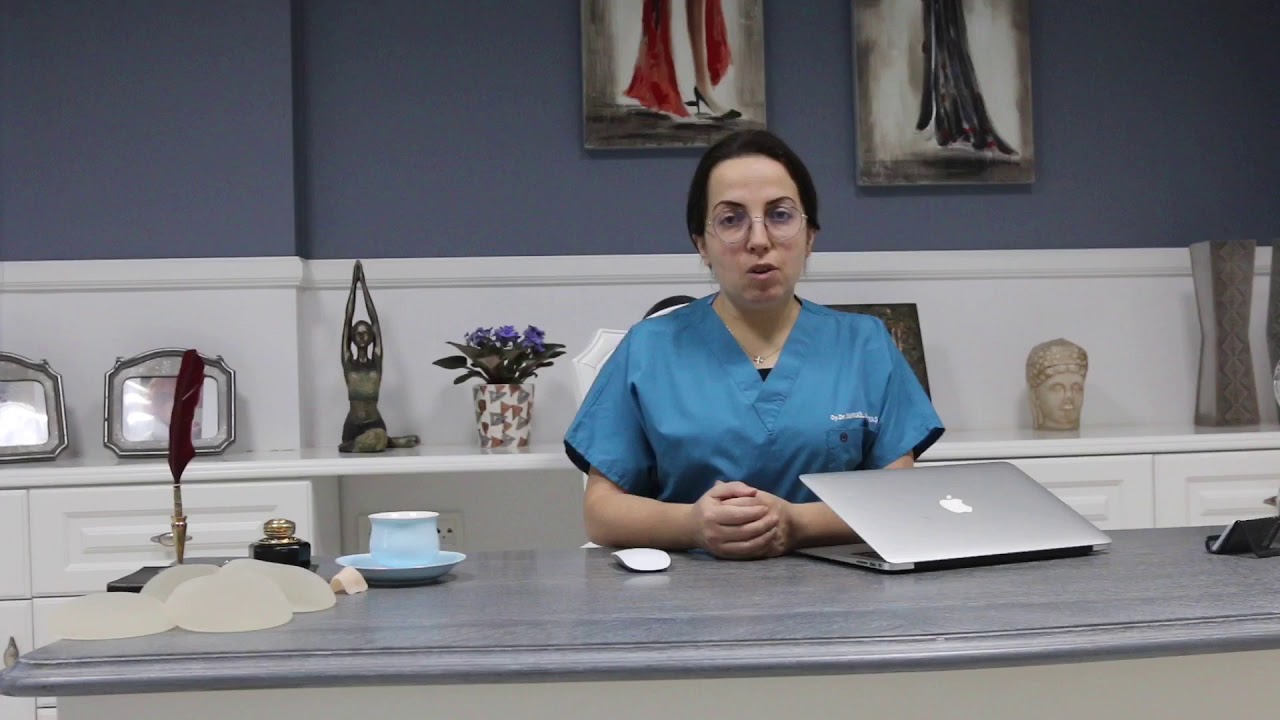
Göz kapağı estetiği nasıl yapılır? #kocaeliestetikcerrah  #kocaeliplastikcerrahi  #drnurgulaltuntas

Risks of Eyelid Surgery

  • Bleeding / bruising (hematoma)

  • Infection

  • Delayed healing, scar problems (thickening/asymmetry)

  • Temporary dryness, watering or discomfort (dry eye)

  • Asymmetry

  • Opening of the incision / scarring (rare)

  • Anesthesia-related risks

  • Recurrence or an unwanted result: Depending on initial expectations, anatomy and healing capacity, a further correction may be needed.

  • Lower eyelid pulling down (ectropion): Rare; it usually improves with massage, and if it does not, a minor correction may be needed.

Eyelid Surgery FAQ

Can upper and lower eyelid surgery be done together?

Yes, in some patients both can be planned together. However, which procedure is done, and in what order, is decided individually after the doctor’s evaluation.

How long will it take me to recover after surgery?

Swelling and bruising may occur in the first days. Most people return to daily life within 1–2 weeks and can wear makeup after the stitches are removed. The scars mature and the final appearance becomes clear within 3–6 months.

Does eyelid surgery leave scars?

Because the incision is placed in a suitable area, the scars usually become less noticeable over time. Scar quality may vary depending on skin type, aftercare and healing.

Are the results permanent?

The effect of upper eyelid surgery usually lasts 10 years or more. Fat bags corrected in the lower eyelid rarely come back. However, because aging continues, new changes may develop over the years.

Does eyelid surgery have risks?

As with any surgery, risks such as bleeding/bruising, infection, asymmetry and wound healing problems may rarely occur. Dry eye complaints may also occur and are usually temporary. All risks are discussed in detail during the consultation.

Can eyelid surgery improve vision problems?

If excess skin on the upper eyelid covers the upper part of your field of vision, removing this skin with surgery widens your field of vision. Eye strain when reading or looking at a screen, and headaches caused by constantly tensing the forehead muscles, also decrease.

Eyelid Surgery Cost in Türkiye

The cost of eyelid surgery may vary depending on the type of procedure (upper, lower or both), the tissue planning needed, the surgical technique, the materials used, the type of anesthesia and the surgeon’s evaluation. For this reason, an exact price is determined after an examination and personalized planning. You can book a consultation to discuss the best approach for you.

Information and Booking

When eyelid surgery is planned according to your eye anatomy and needs, the goal is a more natural and balanced look. During recovery, the result becomes clearer as the swelling and bruising fade, and a more reliable final assessment can be made within a few weeks. The most accurate guidance and price are determined with an examination. You can send your photos via WhatsApp for a preliminary assessment. If you live abroad, this also helps us plan your trip and your stay in Türkiye.

Facial Aesthetic Surgeries

Rhinoplasty

Otoplasty

Face and Neck Lift

This page was prepared and reviewed by Op. Dr. Nurgül Altuntaş .

Last update: October 2026

CONTACT

WHATSAPP
+90 505 799 29 98

Phone number
+90 262 331 61 61

e-mail
bilgi@nurgulaltuntas.com

  • Instagram - Beyaz Çember
  • Facebook - Beyaz Çember
  • YouTube - Beyaz Çember
  • LinkedIn
  • TikTok

HOSPITALS​
Anadolu Medical Center
Özel Atakent Cihan Hospital

ADDRESS
​Körfez Mah. Ankara Karayolu St. No:123/2, Floor 2, Izmit / Kocaeli, Türkiye

This site has been prepared by  Op.Dr.Nurgül Altuntaş for informational purposes. The information given here is not a substitute for a doctor's examination and cannot be used for prescription or treatment purposes.

Since treatment recommendations will vary from person to person, it is recommended that you consult your doctor to learn about the appropriate treatment.

Design by @opdrnurgulaltuntas  All rights reserved. 

bottom of page